

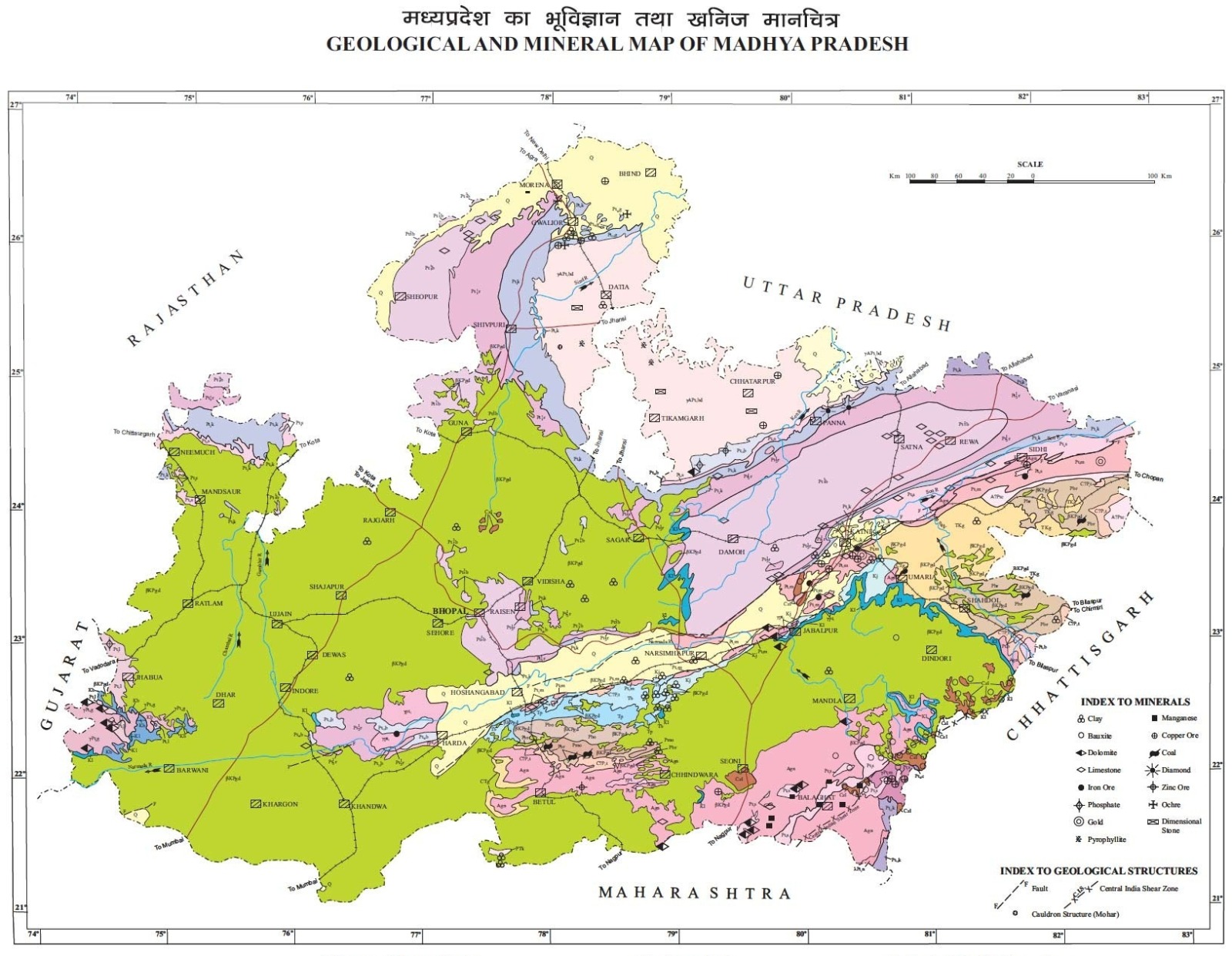
Ref. By Geology of Madhya Pradesh Govt
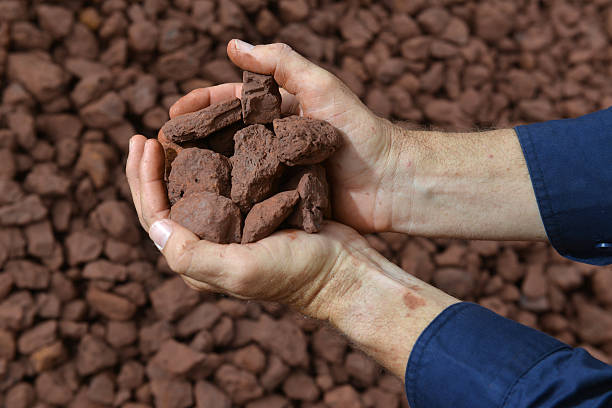
A person holding a handful of crushed iron ore close to the camera.
The two major types of ore found in our country are haematite and magnetite. It has huge demand in the international market due to its superior quality.
The iron ore mines occur close to the coal fields in the northeastern plateau region of the country which adds to their advantage.
Mandala, Balaghat, Jhabua, Gwalior, Jabalpur, Vidisha, Ujjain Shajapur, and Dhar districts of Madhya Pradesh have iron ore reserves.
Madhya Pradesh has good quality iron ore which contains 67% of iron.
Hematite ore is found in Jabalpur.
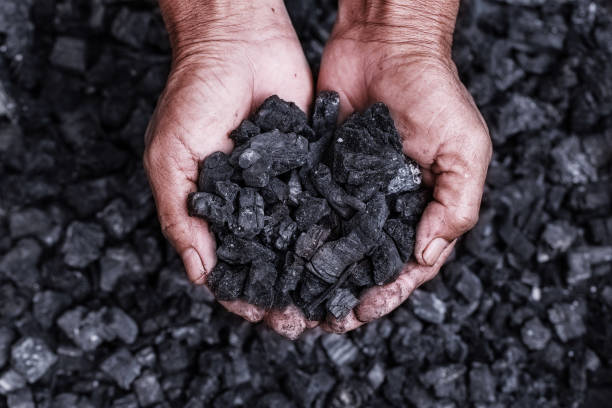
Coal mining – coal miner in the man hands of coal background. Picture idea about coal mining or energy source, environment protection. Industrial coals. Volcanic rock.
Coal is one of the important minerals mostly used as fuel in the generation of thermal power and the smelting of iron ore.
Coal occurs in rocks of two geological ages, namely Gondwana and tertiary deposits.
Madhya Pradesh is situated on Gondwana land have rice reserves from the coal deposit.
According to the Indian Bureau of Mines. Madhya Pradesh has 27673 million tons of coal reserves, which amounts to 7.71% of the total coal reserve of the country.
The coal deposit area in Madhya Pradesh is Sidhi, Shahdol, Umariya, Betul, Chhindwara, and Narsinghpur districts.
Madhya Pradesh stands in 3rd place in terms of the production of coal in the country, (according to the Economic Survey of Madhya Pradesh 2021-22).
Majorly Bituminous type of coal is found in Madhya Pradesh.
India’s Thickest coal layer is found in Singrauli (135 meters).
Coal Bed Methane extraction took place in Sohagpur Mines in Umariya. This extraction is performed by Reliance Industries.
The total coal reserve in Madhya Pradesh can be divided into two categories based on the location of coal mines.
Satpura-Coal Belt- This belt covers the Southern districts of Hoshangabad, Betul, and Chhindwara. The major area of production is Kanha Valley, Mohpani, Shahpura, Tawa, and Pench Valley region.
Madhya Bharat Belt(Central-India Belt) covers the Singrauli, Shahdol, Umariya, and Sidhi districts. The major coal-producing areas are Singhrauli and Sohagpur regions.
Learn about the Relief and structure of Madhya Pradesh from here.
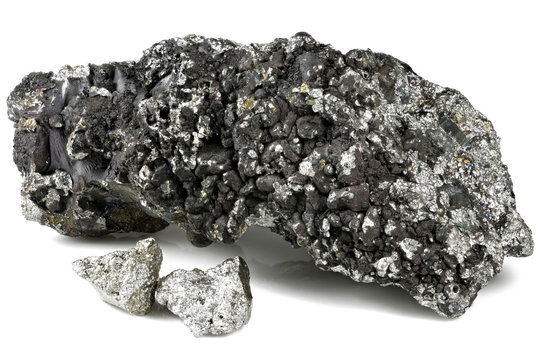
Manganese is an important raw material used in the smelting of iron ore and manufacturing ferroalloys.
Manganese deposits are found in almost all geological formations, however, it is mainly associated with old metamorphic rocks of the Dharwar system.
Major Manganese-producing states are Odisha, Madhya Pradesh, Karnataka, Maharashtra, Telangana, Goa, and Jharkhand.
The manganese belt of Madhya Pradesh extends in a belt in Balaghat, Chhindwara, Nimar, Mandla, and Jhabua districts.
Madhya Pradesh has a total of 57.71 million tons of manganese reserve, which amounts to 12% of India’s total reserve (according to the Economic Survey of Madhya Pradesh 2021-22).
In terms of Production, Madhya Pradesh contributes 40% of the total production of manganese in the country which makes it the biggest producer of manganese in India.
The Bharveli mines in Balaghat are the largest manganese mine in Asia.
Learn about the River of Madhya Pradesh from here.
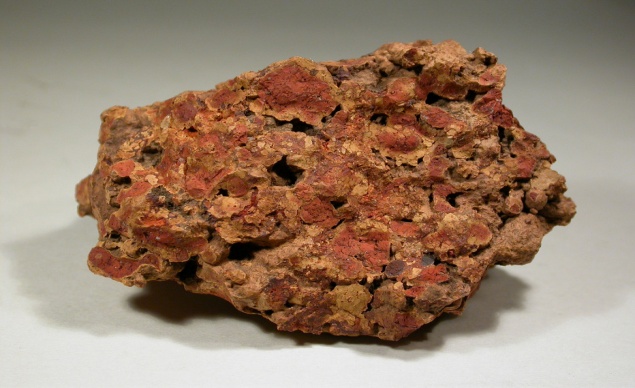
India is poor in terms of non-ferrous metallic minerals except bauxite.
Bauxite is the ore, which is used in the manufacturing of aluminum.
Bauxite is found mostly in tertiary deposits. Bauxite is associated with laterite rocks occurring extensively either on the plateau or hill ranges of peninsular India and also in the coastal tracts of the country.
Major Bauxite producing states are Odisha, Jharkhand, Gujrat, Chhattisgarh, Madhya Pradesh (5th Position), and Maharashtra.
Within Madhya Pradesh, Bauxite is found in Jabalpur, Katni, Mandala, Satna, Shahdol, Dhar, Khargone, Indore, and Rewa districts.
The total reserve of Bauxite in Madhya Pradesh is 17.46 Million Tons (according to the Economic Survey of Madhya Pradesh 2021-22).
Renukoot plant of Mirzapur Uttar Pradesh received Bauxite from the Amarkantak mines.
Learn about the Mountain Ranges in Madhya Pradesh from here.
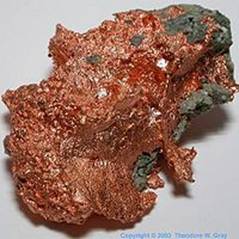
Copper is an irreplaceable metal in the electrical industry for making wires, electric motors, transformers, and generators.
It is alloyable, malleable, and ductile. It is mixed with gold to add strength to jewelry.
The Copper deposits chiefly occur in Singhbhum district in Jharkhand, Balaghat district in Madhya Pradesh, and Jhunjhunu and Alwar districts in Rajasthan.
Copper is found in igneous and metamorphic rocks.
Within Madhya Pradesh, the main Reserves of copper are in Malajkhand (Balaghat), along with Jabalpur, Sagar, Hoshangabad, Narsinghpur, Dewas, Gwalior, Shahdol, Shivpuri, Sidhi, and Chhatarpur also has some copper Reserves
Malajkhand mines in Balaghat are the largest open mines of copper in Madhya Pradesh. Hindustan Copper Limited operates these mines.
Madhya Pradesh stands at the first position in the production of copper. It produces 22% of the nation’s total copper produced.
Total Copper reserves in Madhya Pradesh stand at 283 million tons which is 41% of India’s reserve.
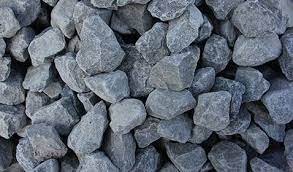
Madhya Pradesh is one of the major limestone-producing states of the country. Madhya Pradesh stands in the second position in limestone production after Andhra Pradesh.
Limestone in the state is found in Gwalior, Narsinghpur, Sidhi, Satna, Rewa, Damoh, Katni, Sagar, Panna, Morena, and Neemuch districts.
Apart from Gondwana Rock regions, limestone is also found in all types of sedimentary rocks.
The chemical formula of limestone is calcium carbonate (CaCo3).
Limestone is majorly employed in the Cement industry, Metal industry, and construction.
Katni (Sleemabad) is famous as the “City of Limestones”.
The total limestone reserve in Madhya Pradesh is 9424 million tons.
Learn about the Climate of Madhya Pradesh from here.
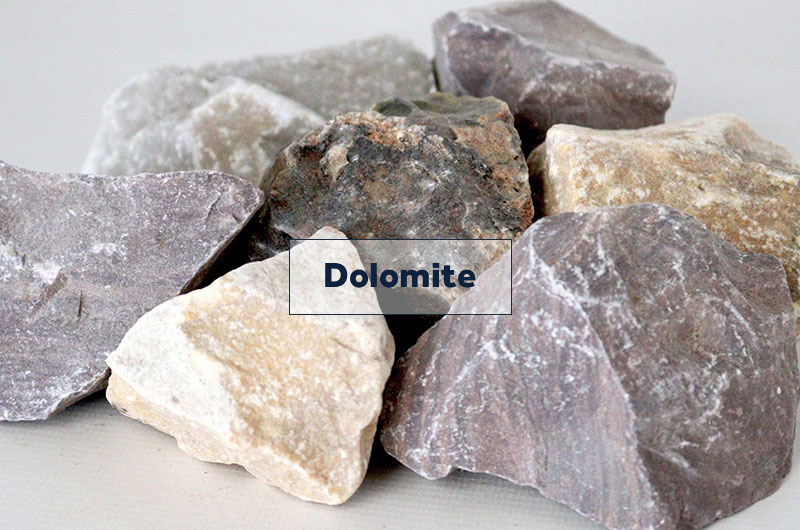
When the Proportion of Magnesium Carbonate (MgCo3) in Limestone is more than 45%, then it is called Dolomite.
Dolomite is majorly found in the Balaghat, Narsinghpur, Chhatarpur, Sagar, Mandala, Katni, Singrauli, Dewas, Jhabua, and Seoni districts.
Dolomite is used in the iron and steel industries, refractory industries, ornamental stones, etc
The total reserves of Dolomites in Madhya Pradesh are 2311 million tons.
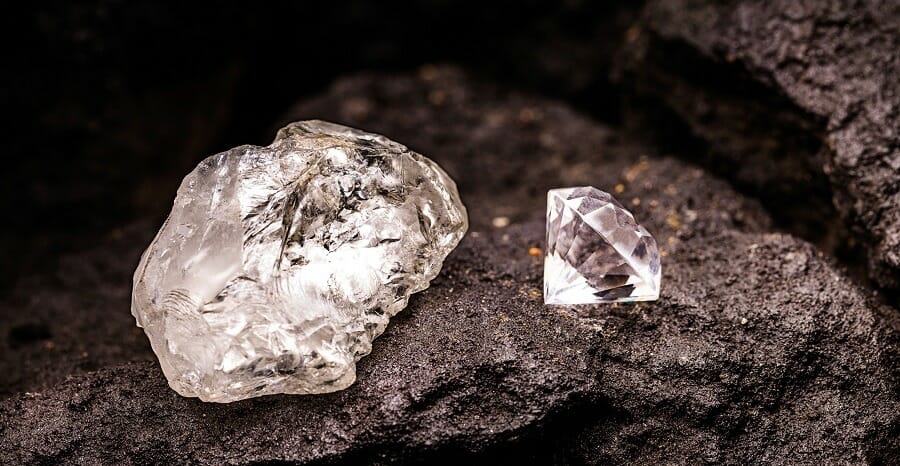
Madhya Pradesh has the unique distinction of being the only diamond-producing state in the Country.
The kimberlite pipe of the diamond is spread from Majhgawan (Panna) to Satna.
The total diamond reserve in the state stands at 28.70 Million carats (according to the Economic Survey of Madhya Pradesh 2021-22).
The main diamond-producing regions are Panna, Satna, and Jabalpur.
National Mineral Development Corporation Limited is operating a diamond mine in Majhgawan, Panna.
Andhra Pradesh has the highest reserve of diamonds in India, whereas Madhya Pradesh stands first and enjoys a monopoly over diamond production in India.
Learn about the National Parks in Madhya Pradesh from here.
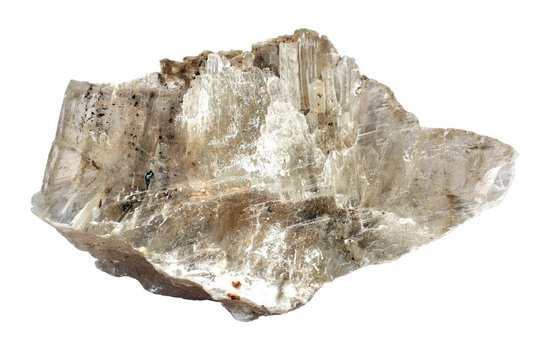
Mica is mainly used in the electrical and electronic industries, medicine, telephone, cars, and chimneys due to its high melting point.
Mica can be divided into very thin sheets which are tough and flexible.
Mica in India is produced in Jharkhand, Andhra Pradesh, Telangana, and Rajasthan followed by Tamil Nadu, West Bengal, and Madhya Pradesh.
In Madhya Pradesh, it is found the Balaghat, Gwalior, Chhindwara, Hoshangabad, Jhabua, Mandsaur, Narsinghpur, Shahdol, Sidhi, and Tikamgarh.
It is majorly found in igneous, metamorphic, and sedimentary rocks.
India is the biggest producer of Mica in the world, and Andhra Pradesh is the largest producer of Mica in India.
Learn about the Geographic Location of Madhya Pradesh from here.
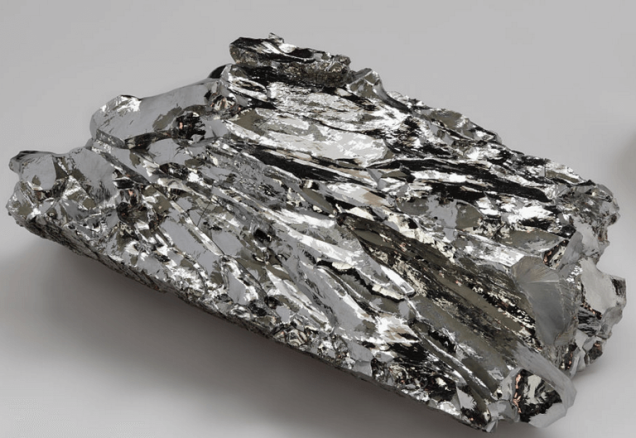
The source ore of tungsten is Wolfram.
Wolfram is found in Agar-gaon of Hoshangabad in Madhya Pradesh
Tungsten is used in the production of the filament of electric bulbs due to its high melting point.
Tungsten is a very hard metal and it is used for steel cutting.
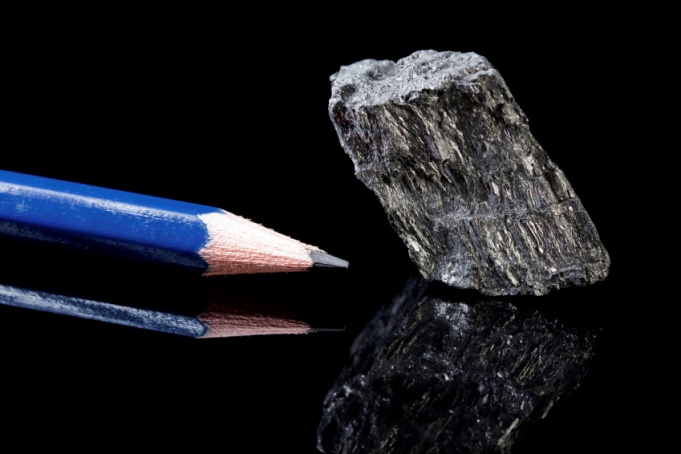
Graphite is an allotrope of carbon.
Graphite is found in metamorphic and igneous rocks.
In Madhya Pradesh, Graphite is found in the Betul district.
Graphite is mainly used in manufacturing Pencils, paint, and Batteries.
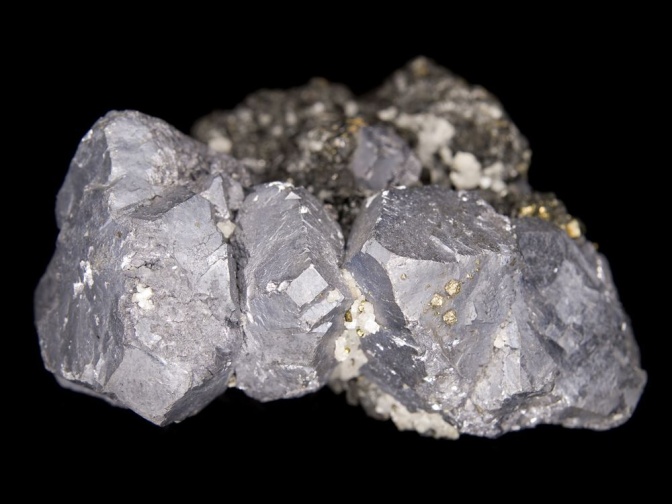
Galena is the main ore of lead.
It is soft and malleable and has a high melting point.
In Madhya Pradesh galena ore is found in Jhabua, Jabalpur, Shivpuri, and Datiya
Lead is chiefly used in Airplanes, bullets, guns, cars, batteries, etc
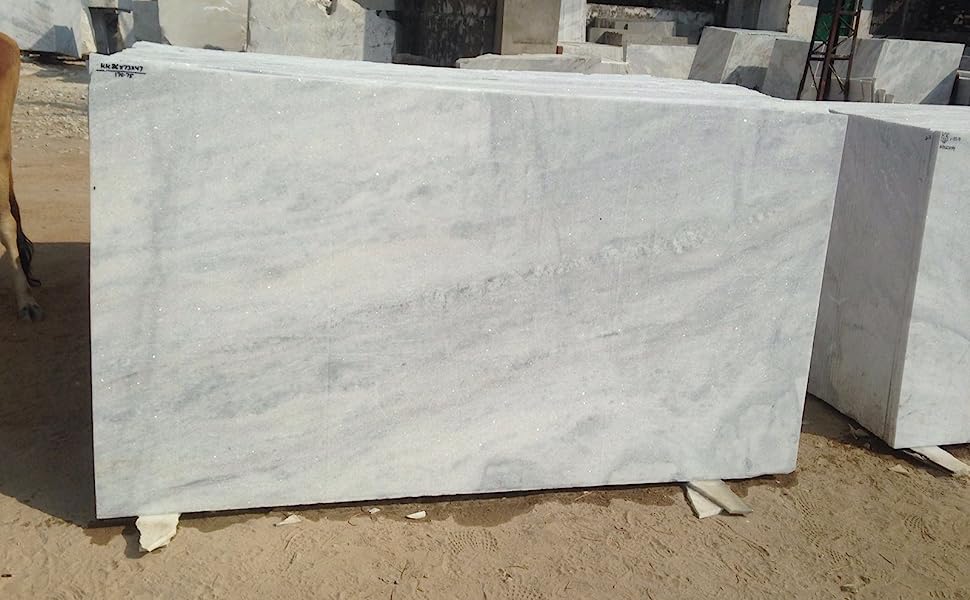
Marble in Madhya Pradesh is mainly found in the Archean rocks which are stretching from Chhindwara to Jabalpur.
White marble is found in Jabalpur.
Colorful marbles are found in Chhhindwara, Betul, and Seoni districts.
Red and green color marbles are found in the Gwalior district.
Learn about the Forest in Madhya Pradesh from here.
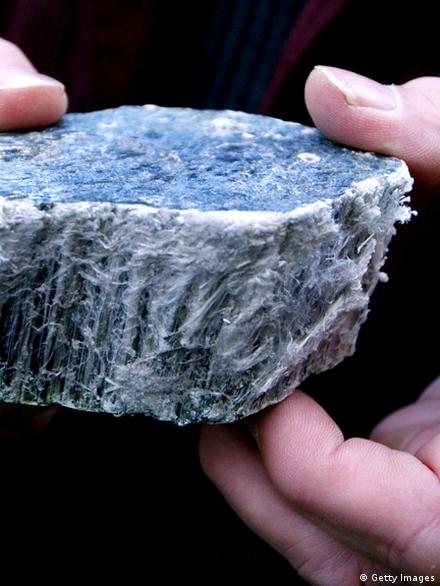
Asbestos is a fibrous material
It is found in the Jhabua district of Madhya Pradesh.
Asbestos is used in manufacturing train bogies and sheets of ships.
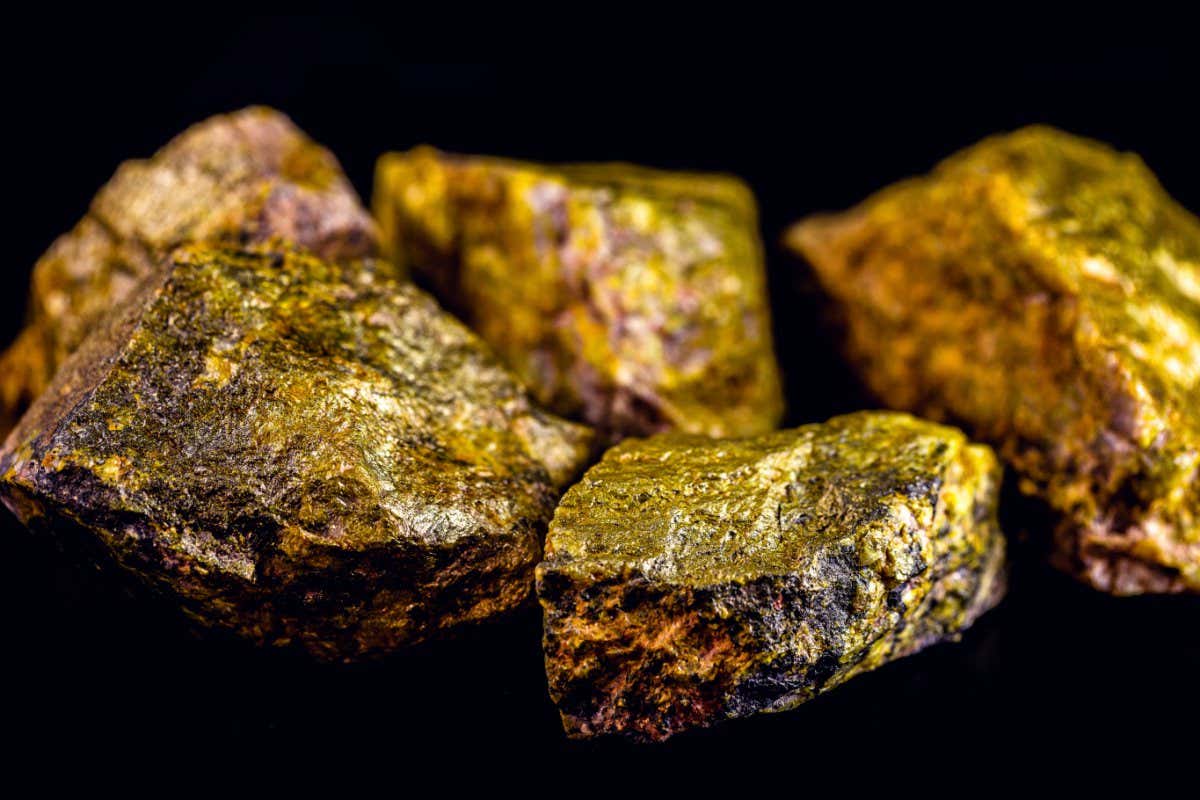
It is a nuclear material
Uranium reserves are located in Shahdol district and Ghoda Dongri village of Betul District.
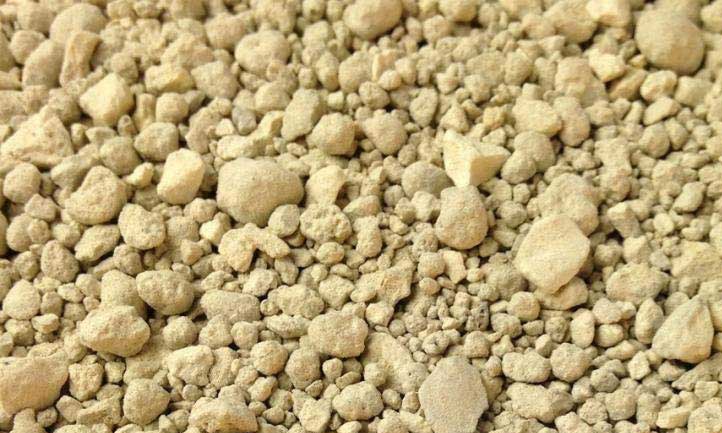
It is found in the Jhabua district of Madhya Pradesh.
It is sent to the National Fertilizer Limited, Vijaypur (Guna) for processing.
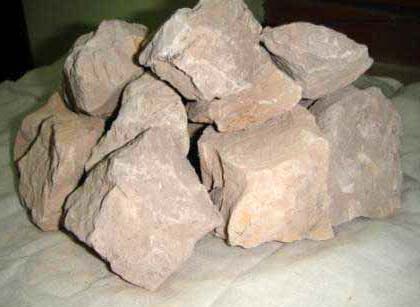
- Fire clay is used in refractory and ceramic industries.
- It is found in the Jabalpur, Katni, Sidhi, Shahdol, and Gwalior districts.
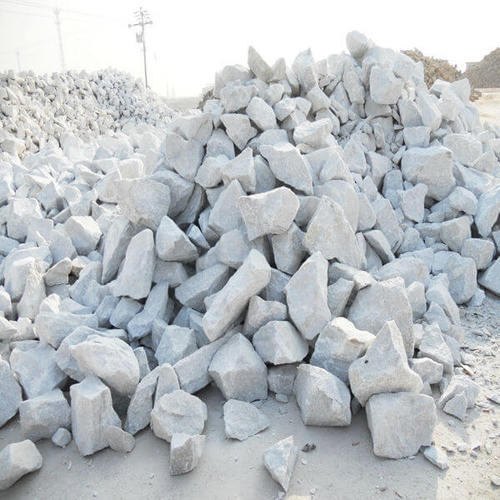
China clay is chiefly used in the Ceramic, paper, rubber, textile, and utensil industries.
China clay deposits are found in Rewa, Gwalior, Betul, Chhatarpur, Chhindwara, Jabalpur, Satna, Shahdol, and Sidhi districts.
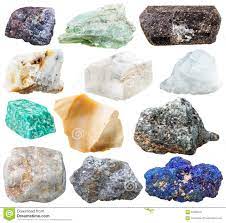
Soapstone is the softest mineral in nature.
It is used in talcum powder and the cosmetics industry.
Talk stone is found in Balaghat, Jabalpur, and Narmada Valley.
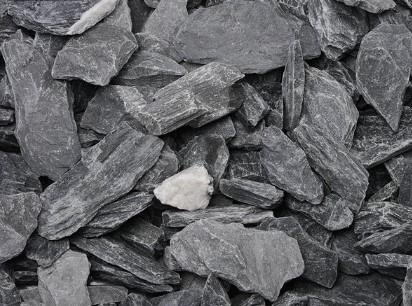
Madhya Pradesh enjoys a monopoly over slate manufacturing in the country.
White and red colored slate are manufactured in the Mandsaur district.
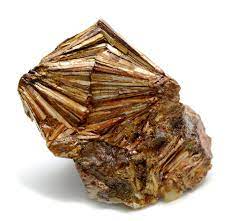
A rich deposit of Diaspore (Pyrophyllite) is found in Madhya Pradesh, which amounts to 81.66% of the country’s reserve.
Its reserves are found in the Chhatarpur, Tikamgarh, and Shivpuri districts.
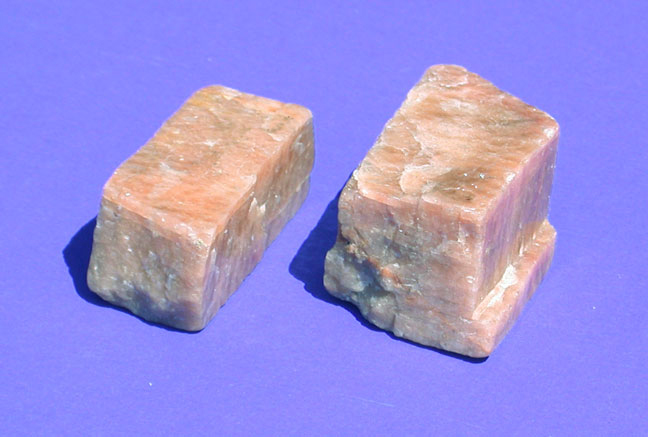
It is extracted from the Jabalpur, Chhindwara, and Shahdol districts of Madhya Pradesh.
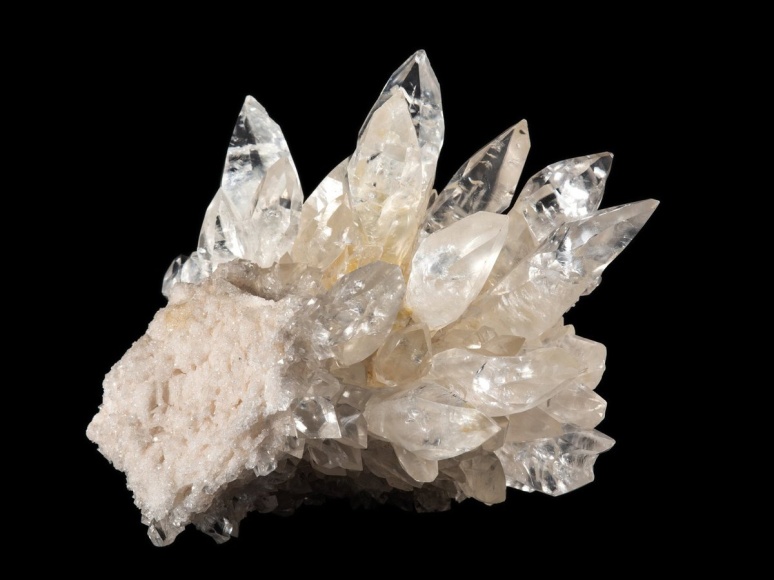
It is found in the Jhabua and Khargone districts of Madhya Pradesh.
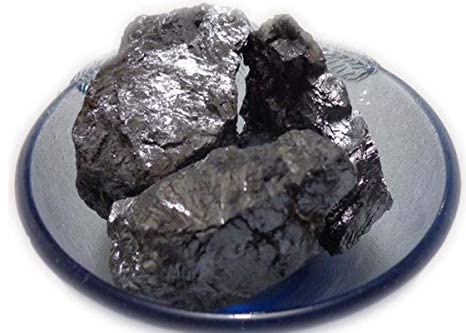
Used in the cosmetic industry.
It is majorly found in Jabalpur
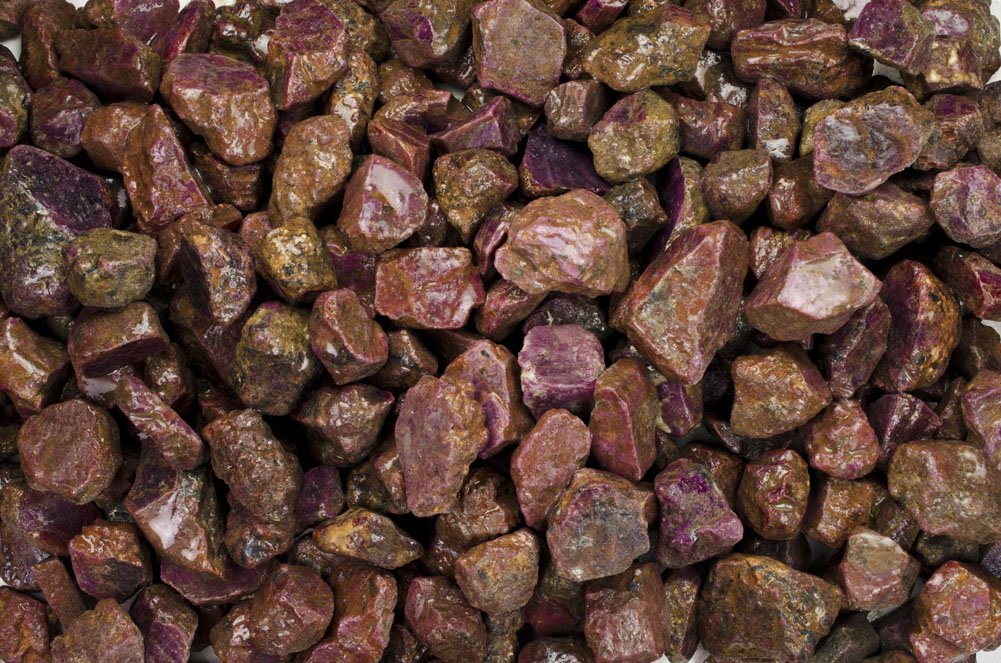
It is extracted from the Panna and Singhrauli districts of Madhya Pradesh.
Trusted Clients